

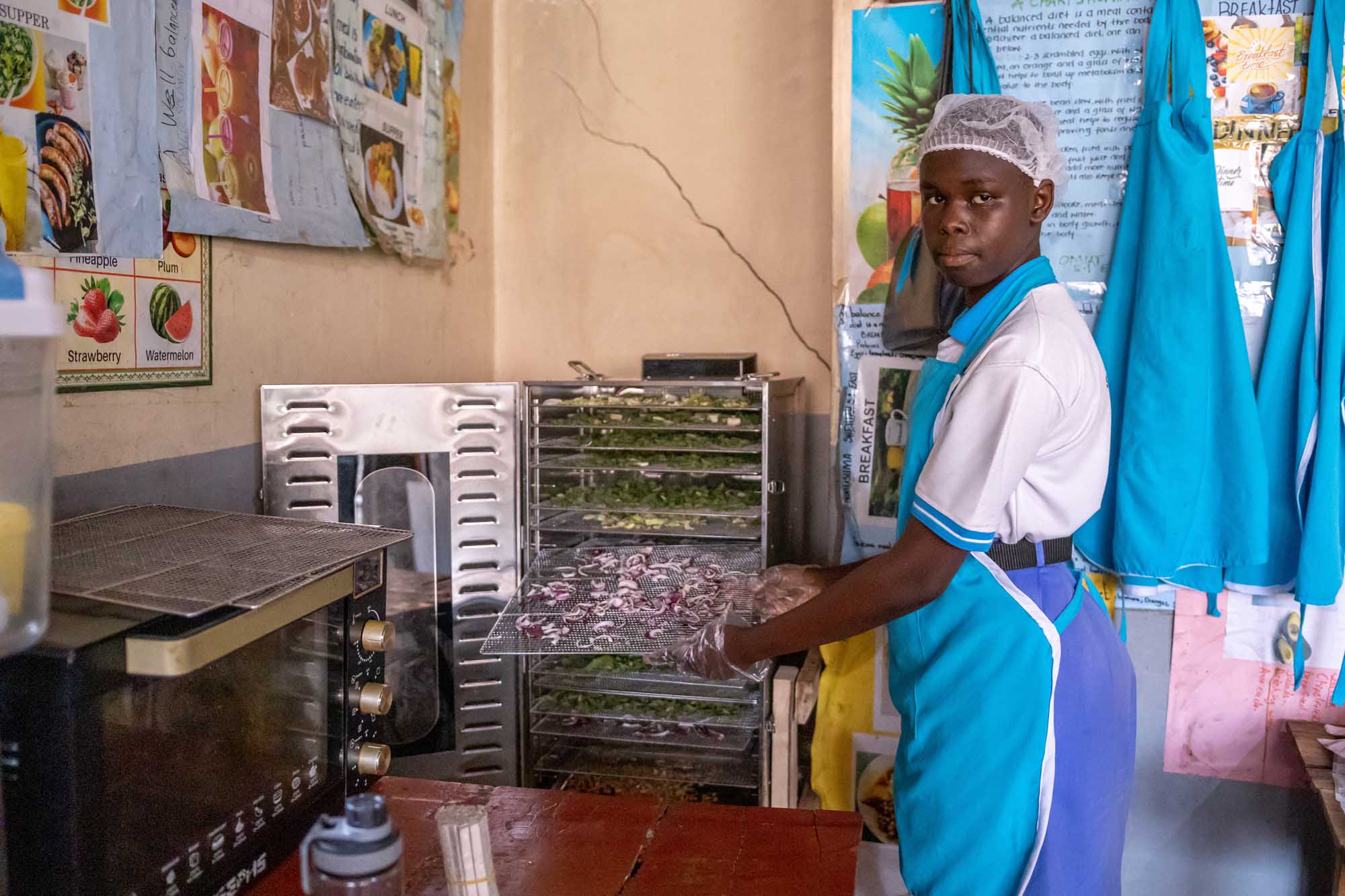
Turning Harvests into Lasting Value
About
The Food Preservation and Processing project teaches students how to extend the life and value of agricultural produce through practical techniques.
Through this initiative, students learn how fresh foods can be processed and preserved to reduce waste, improve food security, and create products that can be stored, transported, and marketed. By transforming raw harvests into value-added products, students understand how agriculture can move beyond production to sustainable enterprise.
This project connects science, nutrition, and entrepreneurship—showing students how simple technologies can make a significant difference in communities.
Why Food Preservation Matters
A significant amount of food is often lost after harvest due to poor storage and limited processing knowledge. Food preservation and processing help address this challenge by ensuring that produce can be used efficiently and sustainably.
Through this project, students learn how to;
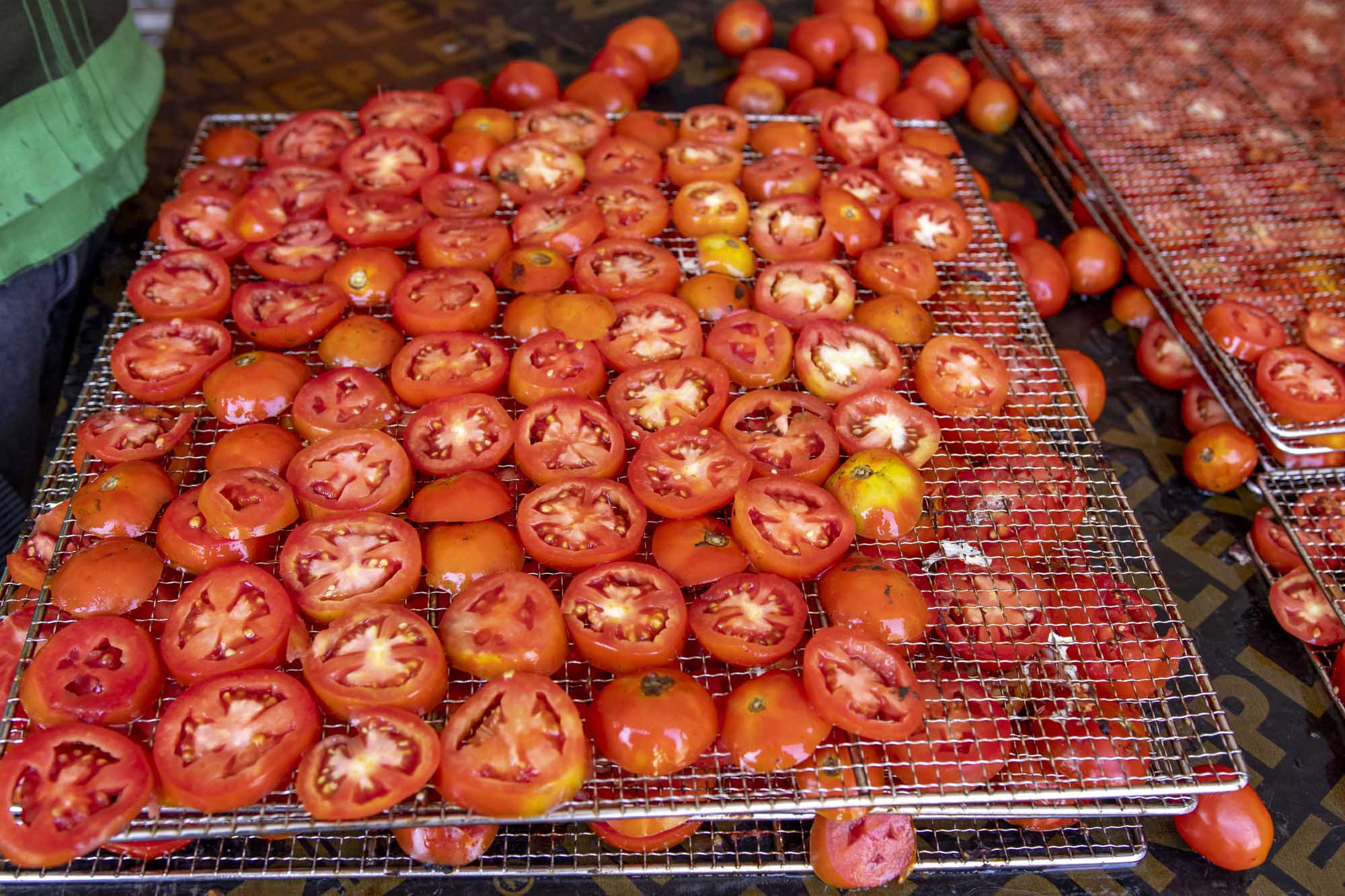
Prepare Produce
Students learn how to properly prepare and handle fresh agricultural produce for preservation from the school gardens
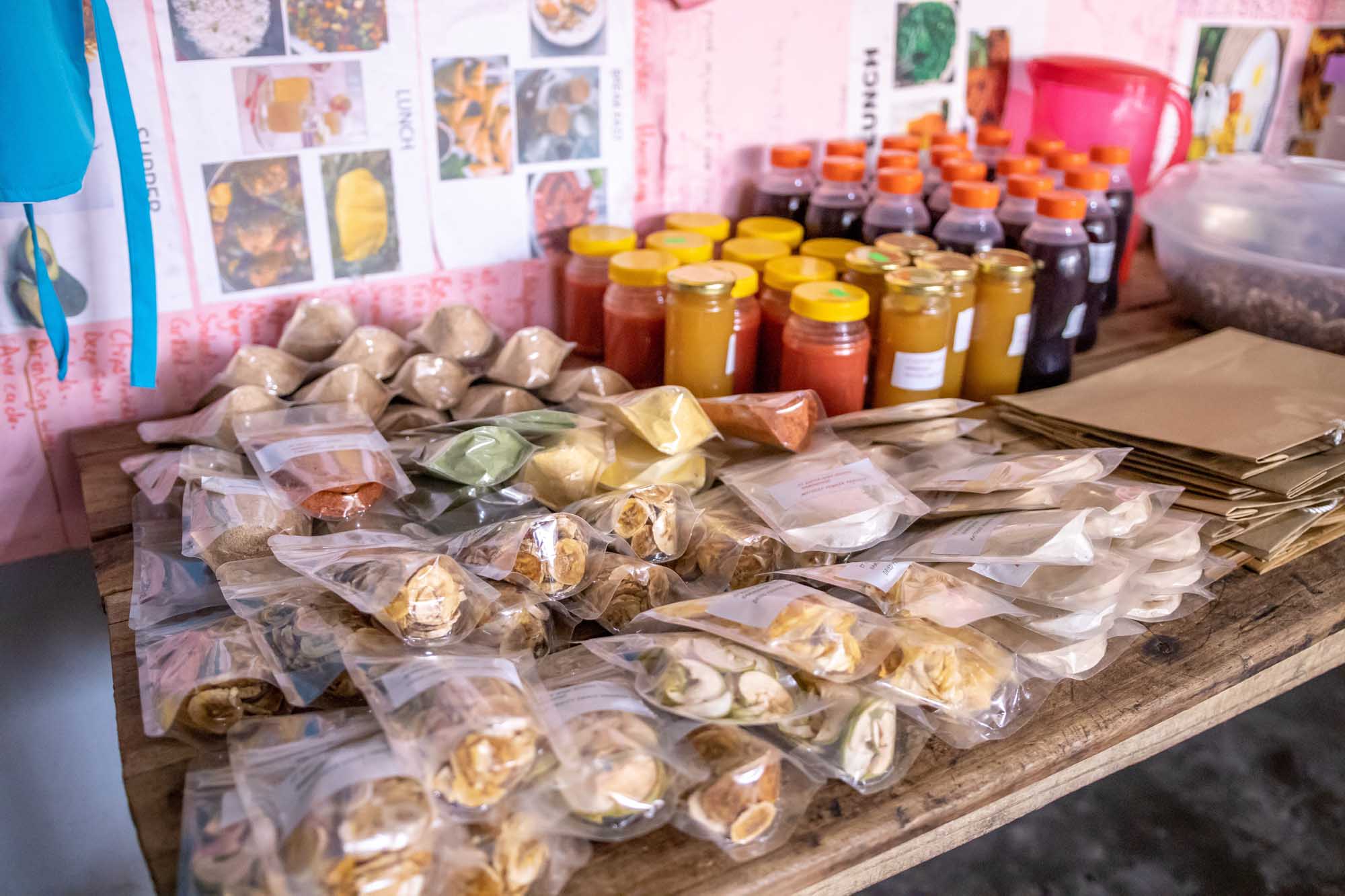
Preserve & Process
Learners apply simple methods to extend shelf life and transform raw produce into useful, value-added food products.
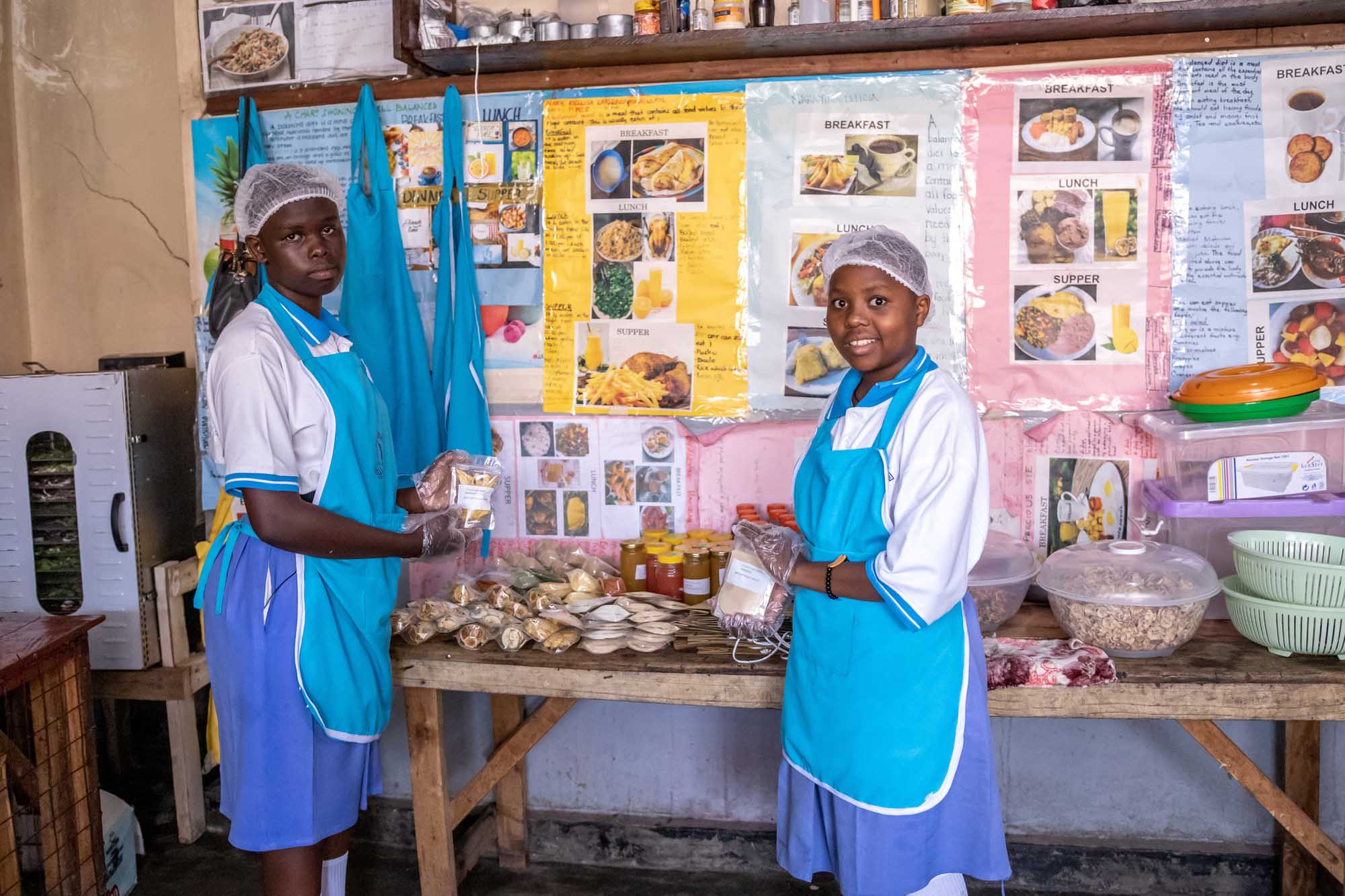
Food Safety & Hygiene
Emphasis is placed on maintaining proper hygiene and safety standards throughout the preservation and processing process.
Education for Sustainable Food Systems
The Food Preservation and Processing project reflects St. Kizito’s commitment to practical education that prepares learners for real-world challenges. By connecting agriculture, nutrition, and enterprise, students gain a deeper understanding of how sustainable food systems can be built.
Through initiatives like this, we nurture responsible learners who are capable of reducing waste, improving food security, and creating solutions that benefit their communities.