
Turning Waste into Valuable Resources
About
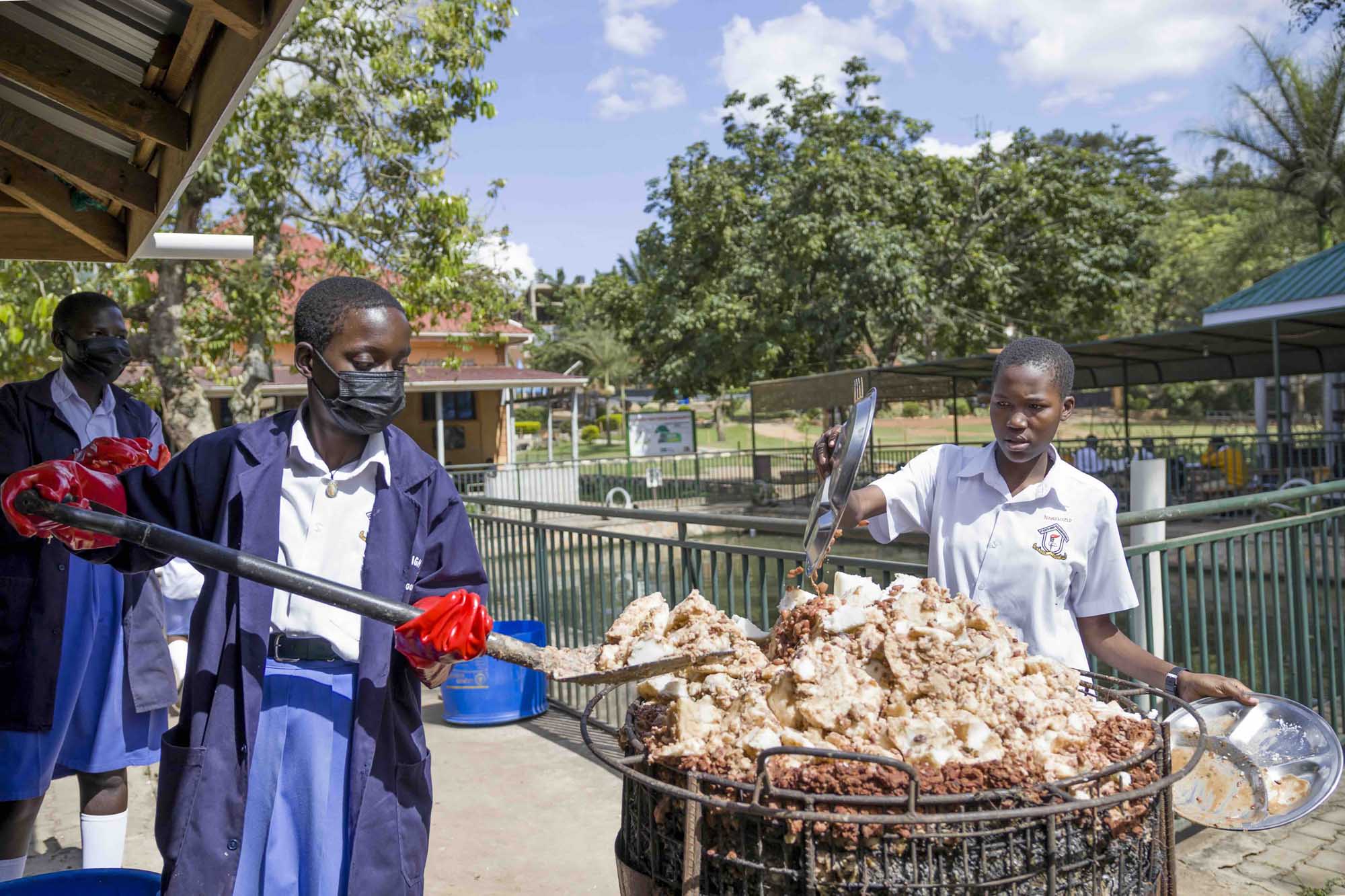
The Food Waste Management project teaches students how organic waste can be transformed into useful resources instead of being discarded.
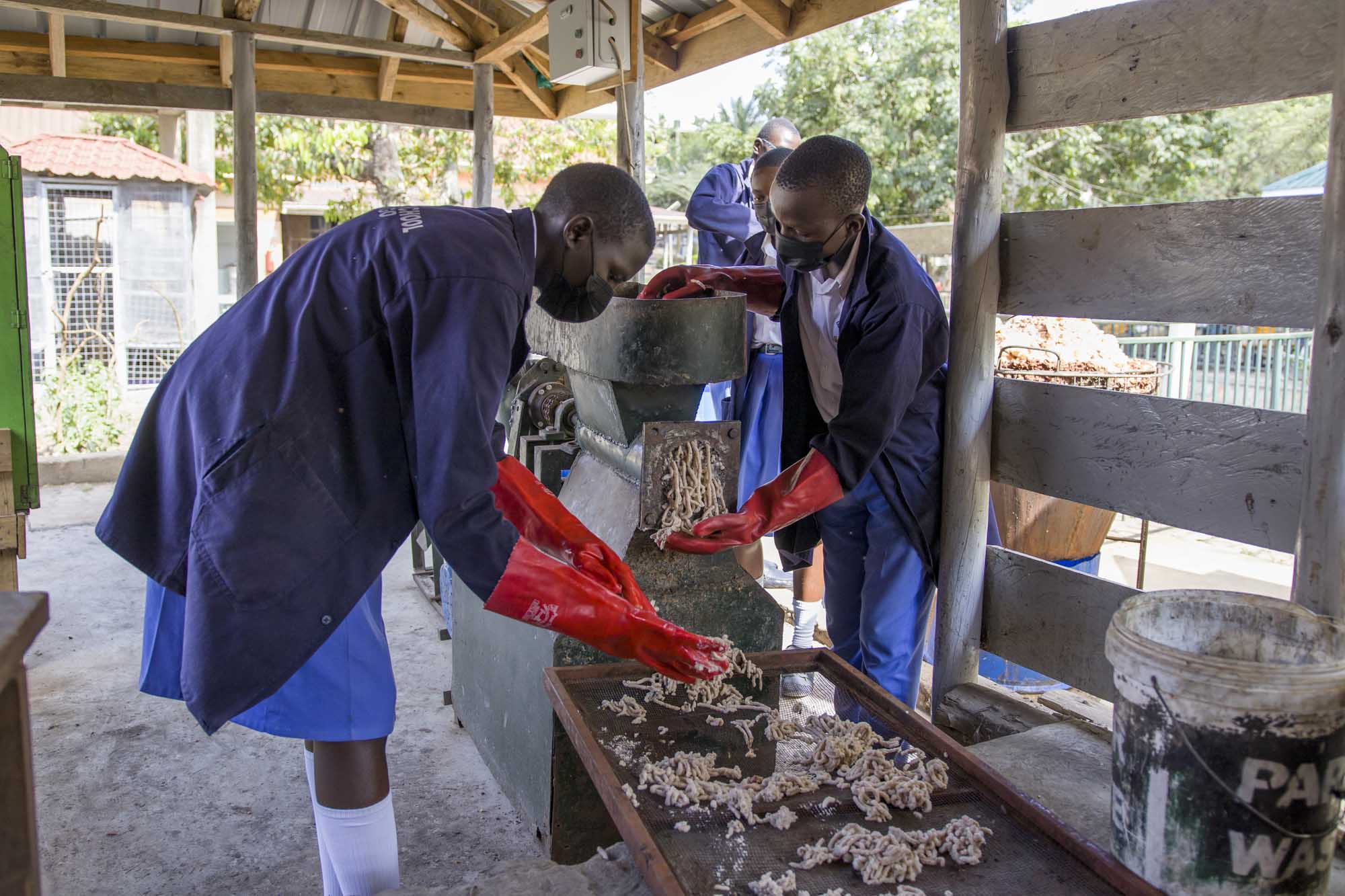
Through this initiative, food scraps and organic materials generated at the school are collected and converted into compost and animal feed, demonstrating how waste can be reintegrated into productive systems. The project introduces learners to the principles of circular sustainability, where resources are reused and nothing goes to waste.
By participating in these activities, students gain a practical understanding of environmental responsibility and the importance of managing waste in sustainable ways.
What is Food Waste Management?
Food waste management focuses on reducing, reusing, and recycling organic waste generated from food preparation and consumption. Instead of allowing organic waste to accumulate in landfills, it can be transformed into valuable products such as compost that enriches soil or feed that supports livestock production. These practices help conserve resources while protecting the environment.
By learning these techniques, students see how everyday waste can become an important part of sustainable agriculture and resource management.
Collecting & Sorting Waste
Students gather food scraps and organic waste from kitchens and other school activities, learning how simple sorting can make waste easier to reuse.
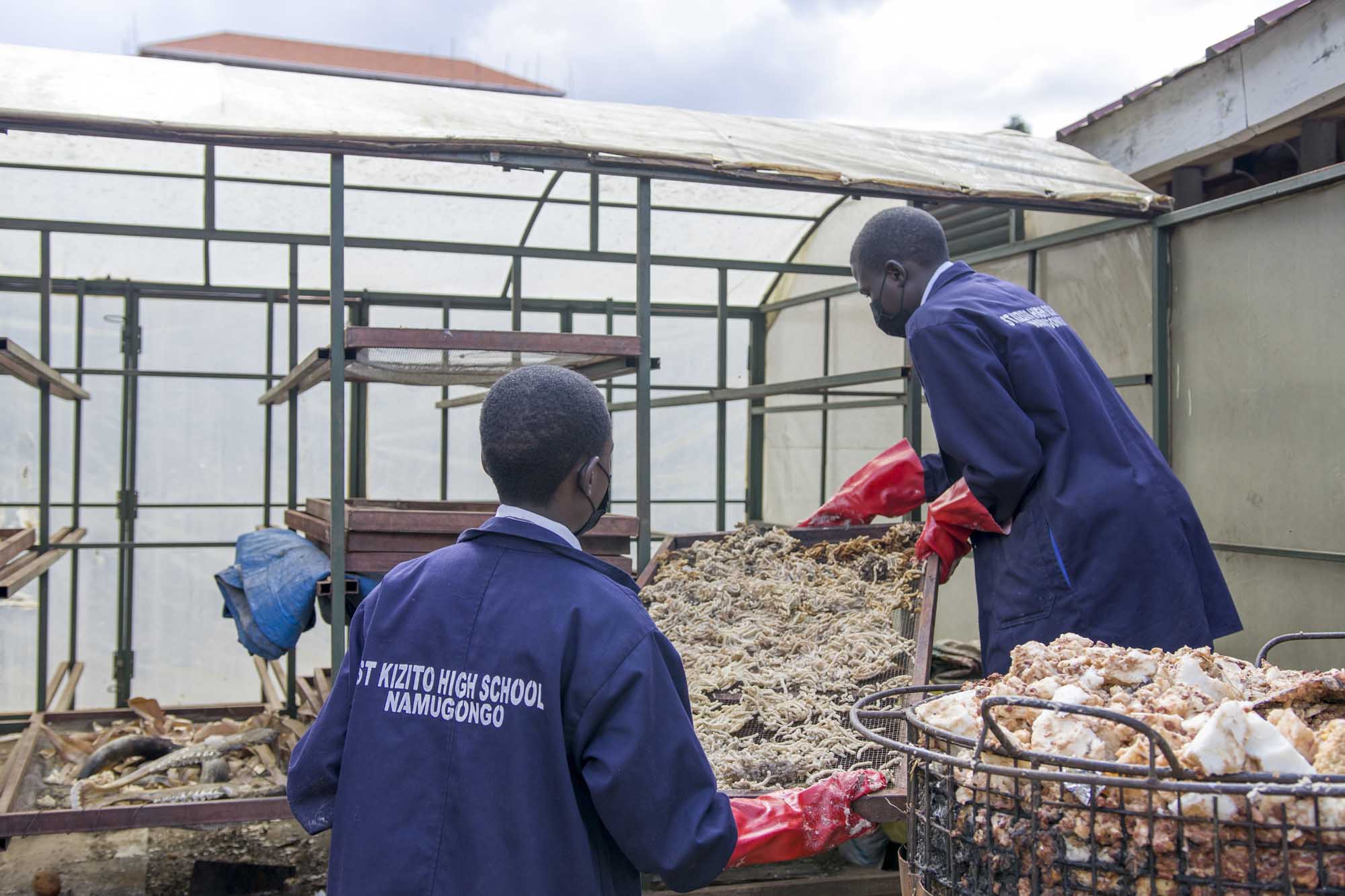
Turning Waste into Value
Instead of throwing it away, food waste is turned into compost for the soil or processed into feed for animals, showing how waste can become useful again.
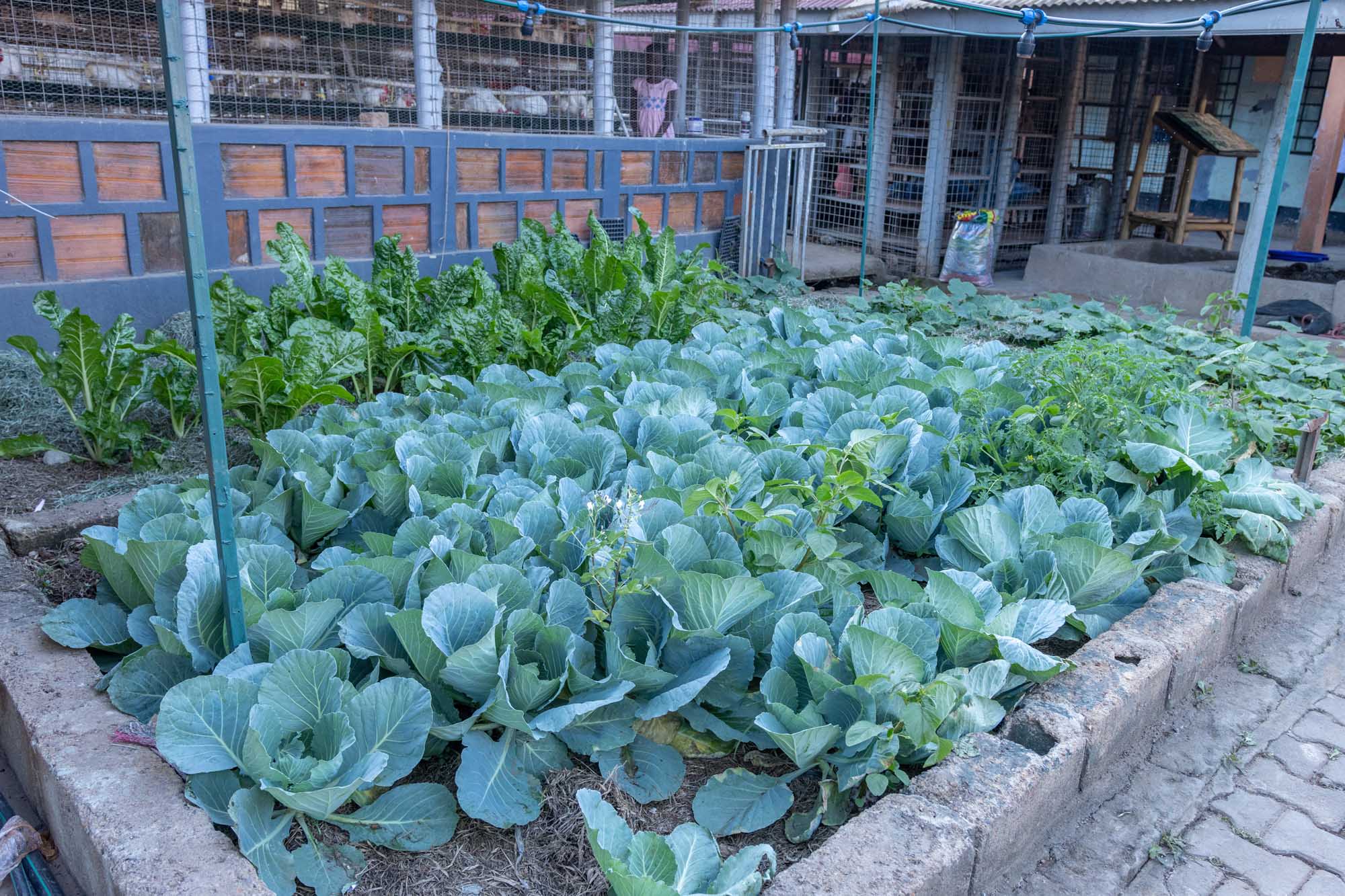
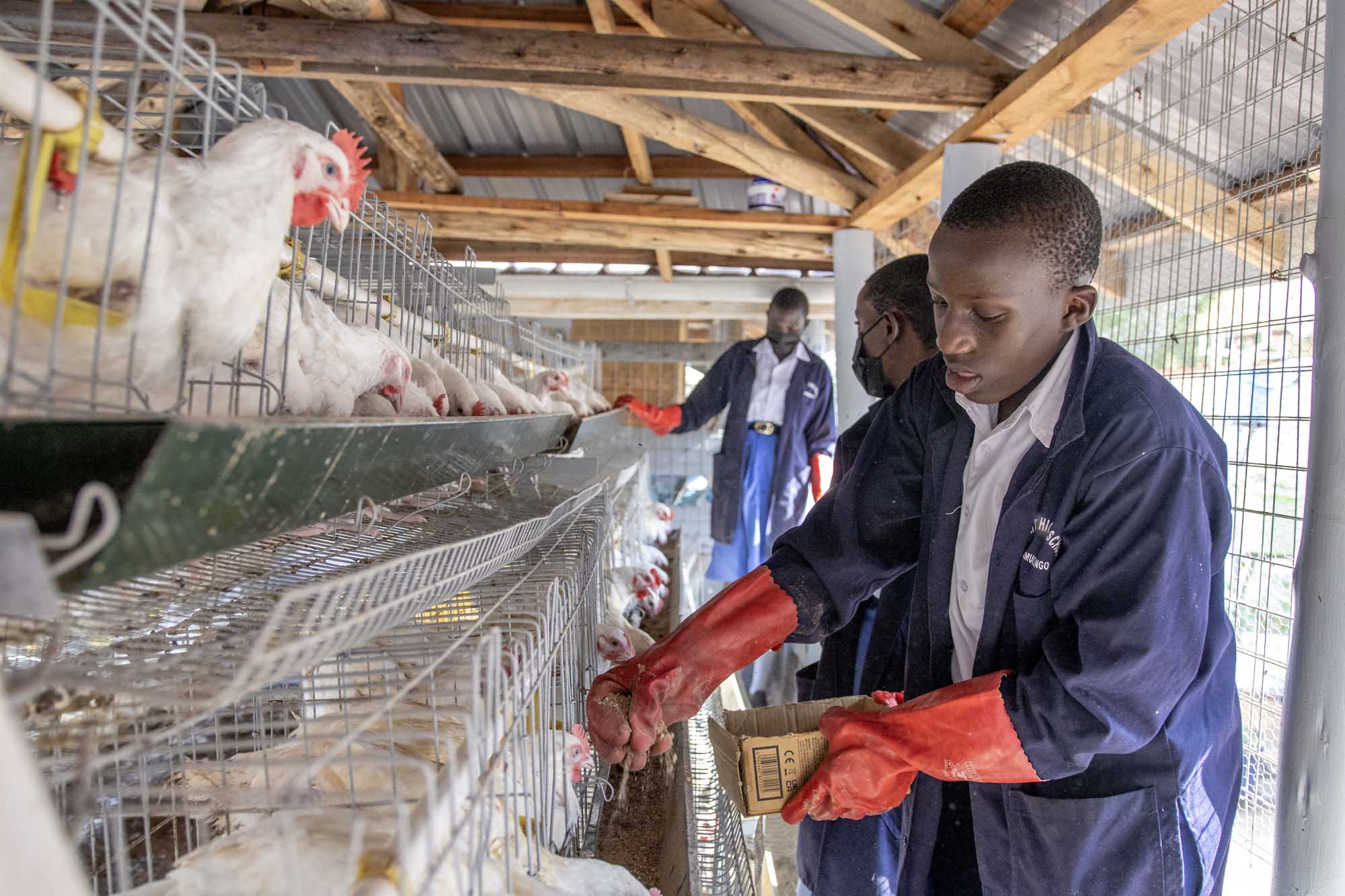
Learning Sustainable Farming
Through these activities, students see how managing waste well can support farming, protect the environment, and make better use of available resources.
Why Food Waste Management Matters
Food waste is a global challenge that affects food security, environmental health, and resource efficiency. When organic waste is properly managed, it can support sustainable farming while reducing environmental pollution.
This knowledge encourages students to think critically about consumption and waste in their communities.
2025 Zayed Sustainability
Prize finalists
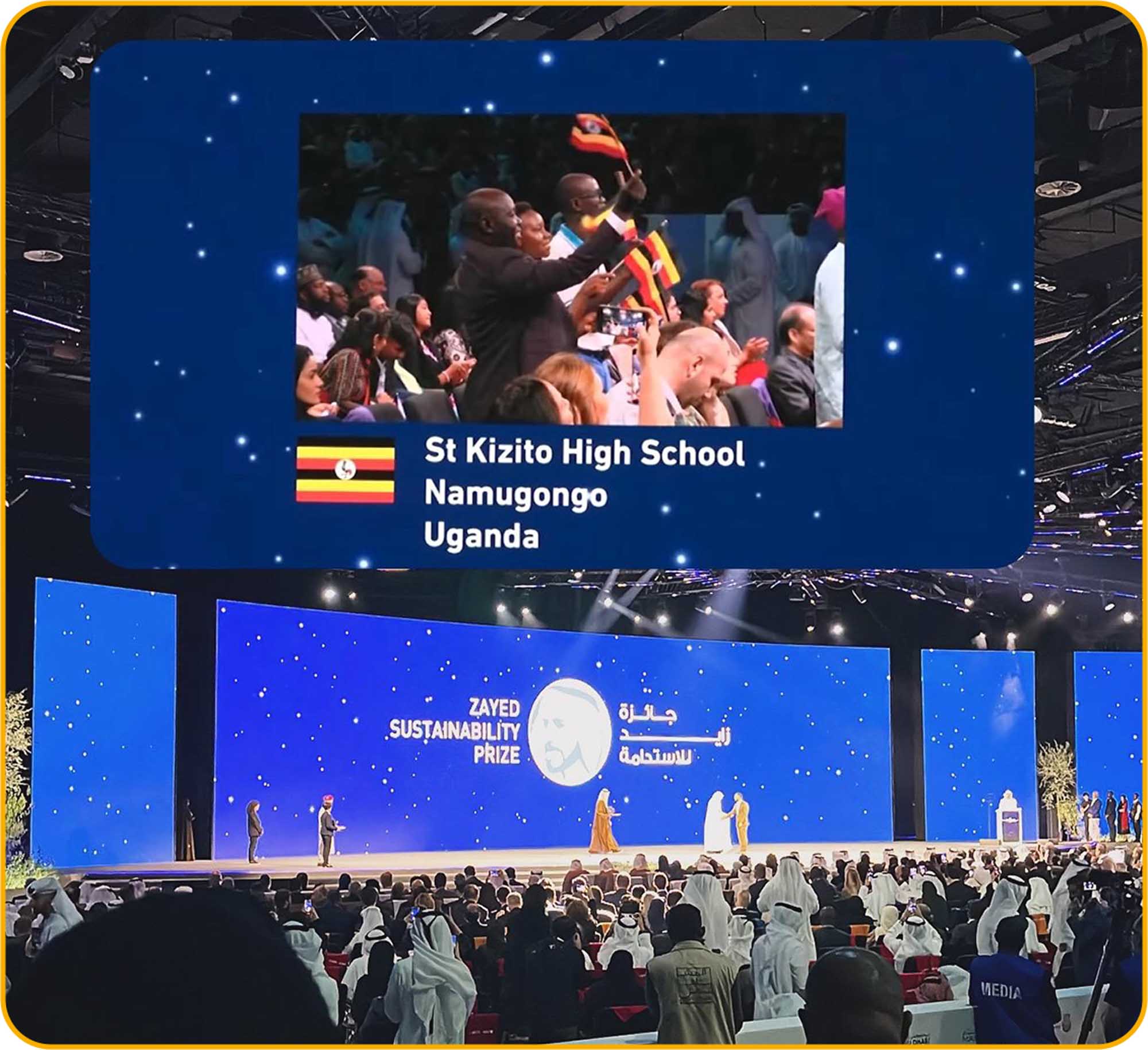
We were proud finalists for the 2025 Zayed Sustainability Prize, representing Uganda with our Food Waste Processing project. This achievement reflects our commitment to innovation, sustainability, and community transformation through education.
The Food Waste Management project reflects St. Kizito’s commitment to sustainability education and practical learning. By transforming waste into compost and animal feed, students see firsthand how circular systems can reduce waste while supporting agriculture and environmental health.
Through initiatives like this, learners are inspired to adopt responsible practices that contribute to a cleaner environment and a more sustainable future.