Growing Food Without Soil
About
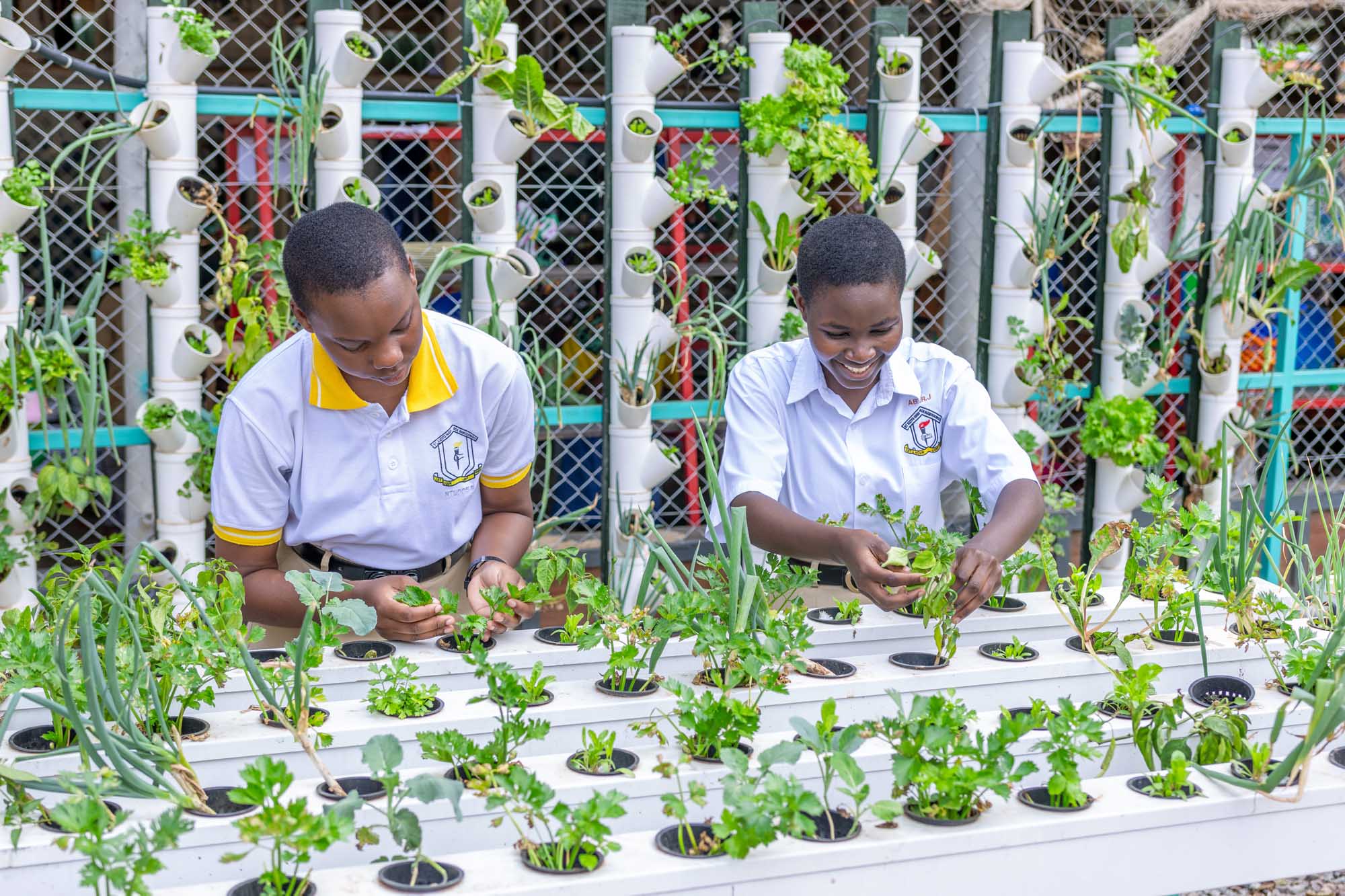
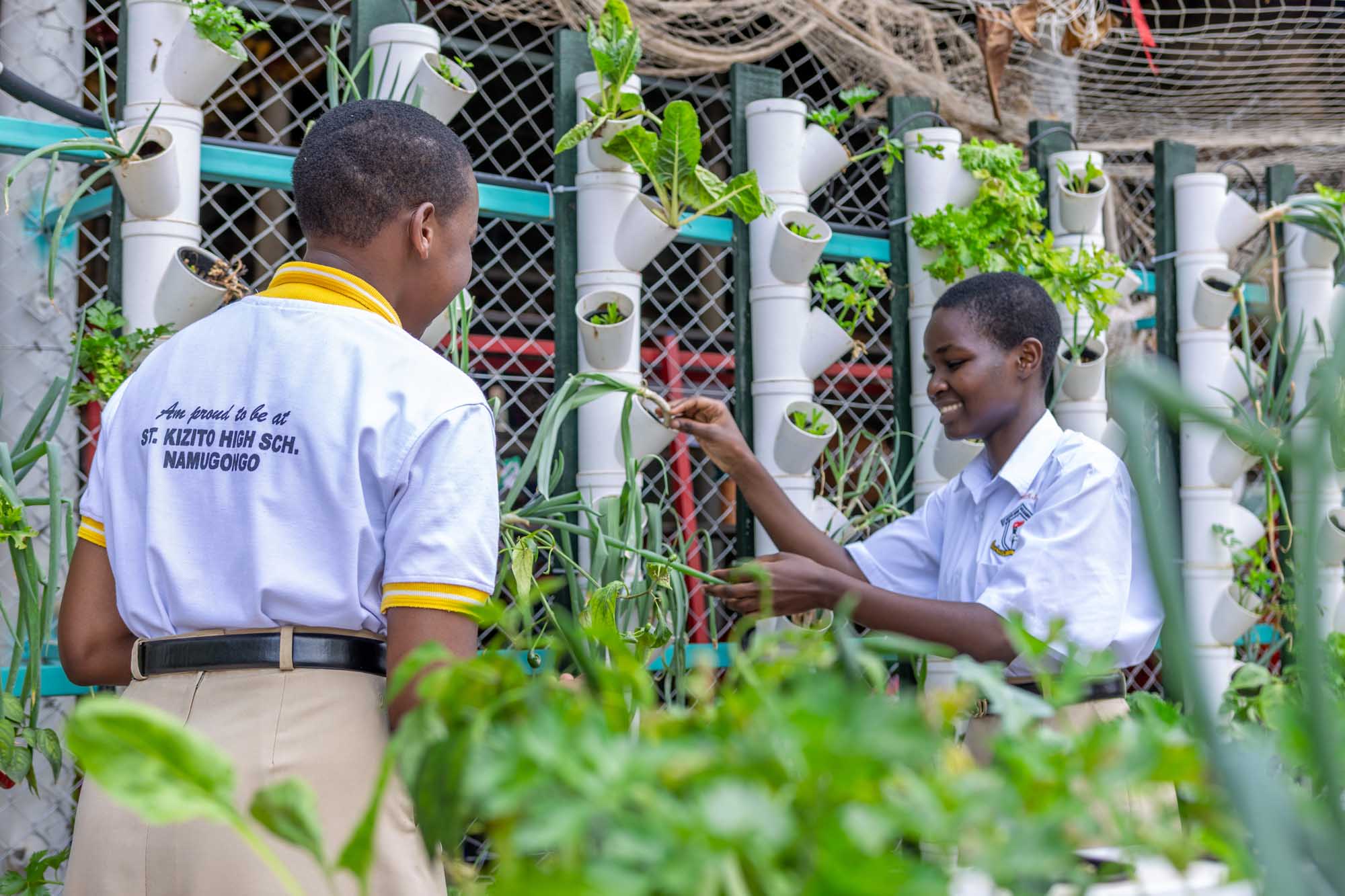
At St. Kizito High School Namugongo, hydroponic farming is one of the innovative agricultural projects that allows students to explore modern, sustainable food production methods.
Hydroponics is a technique of growing crops without soil, where plants receive essential nutrients through carefully balanced, nutrient-rich water systems. This approach allows plants to grow faster while using less space and significantly less water compared to traditional farming methods.
Through this project, students learn how science, technology, and agriculture can work together to produce food efficiently and sustainably.
Learning Through Practice
At our school, hydroponics is not just a demonstration project—it is an active learning platform where students gain practical skills in modern agriculture.
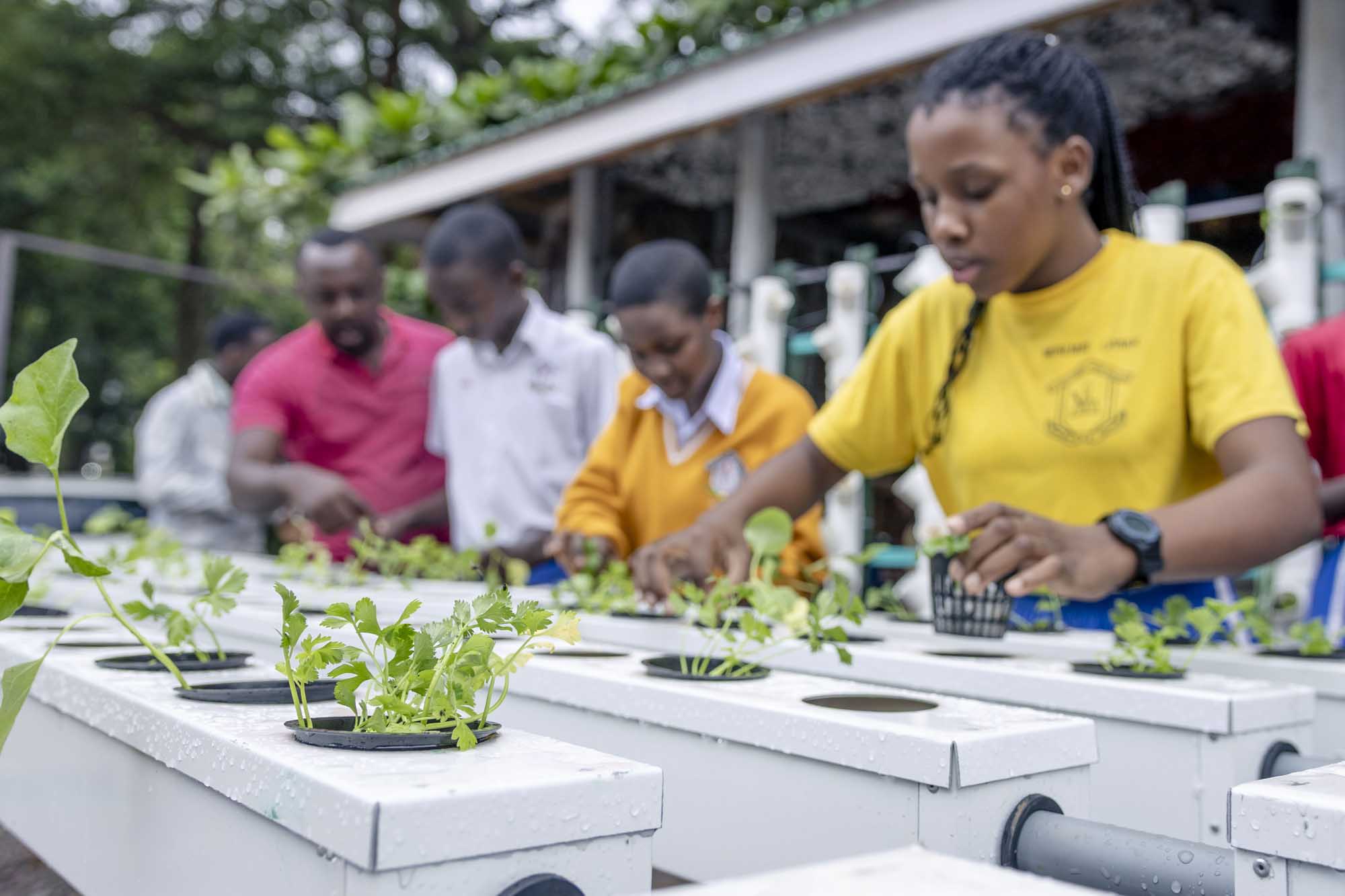
System Setup & Management
Students design and set up hydroponic systems while ensuring proper water flow and efficient operation.
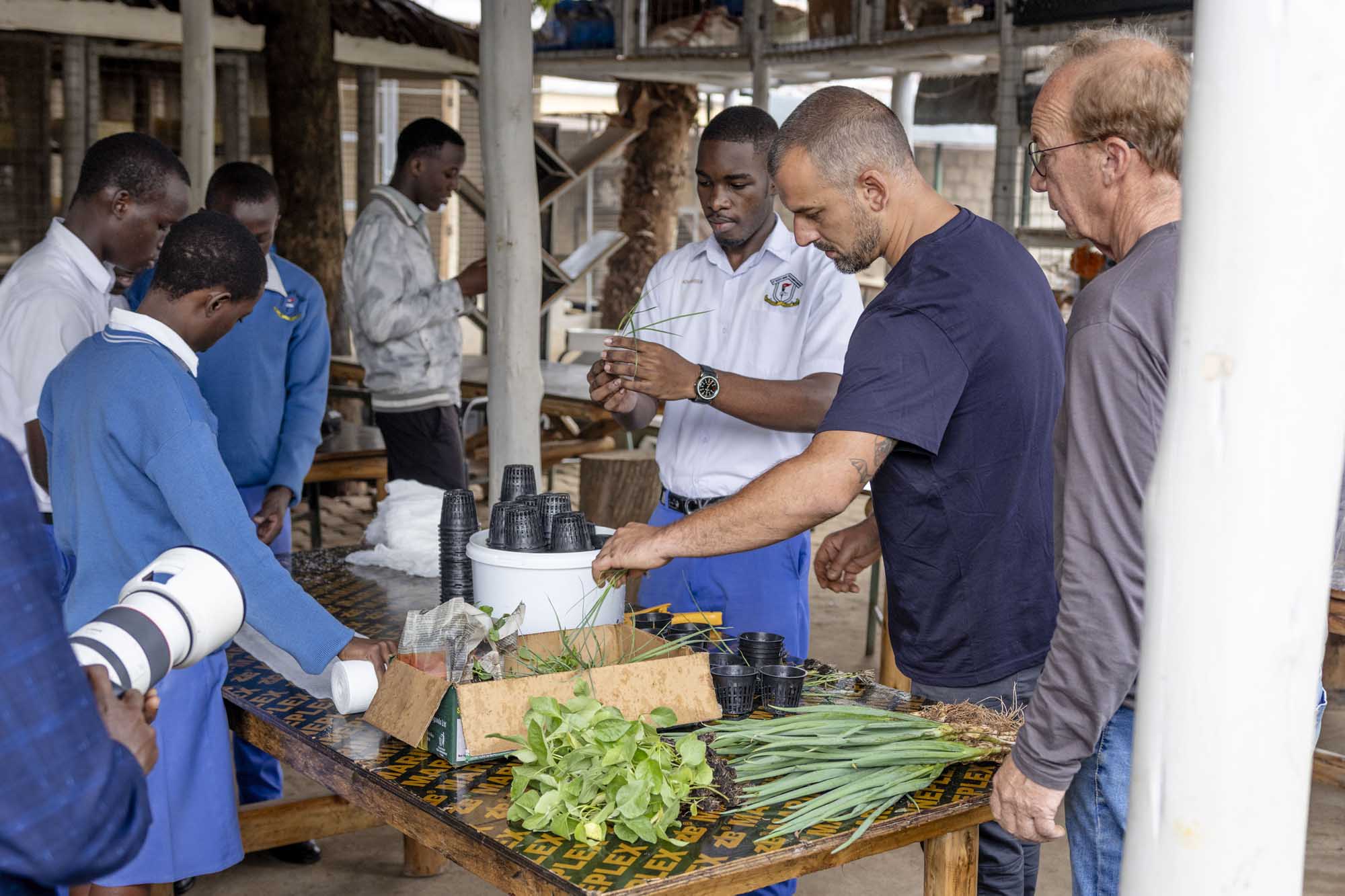
Nutrient Preparation
Learners prepare and manage nutrient-rich water solutions that support healthy plant growth.
Plant Monitoring & Harvesting
Students track plant growth, observe plant health, and harvest crops produced through the hydroponic system.
Through these activities, learners understand how plant biology, chemistry, and environmental science come together in real-world agricultural innovation.
Why Hydroponics Matters
Hydroponic farming provides solutions to several global and local challenges related to food production and environmental sustainability.
The project helps students understand how agriculture can:
Linking Education to Sustainability
Through hydroponic farming, students gain practical skills in sustainable agriculture, scientific observation, problem-solving, and environmental stewardship. The project encourages learners to explore innovative farming methods that support food security and sustainable communities.
Implemented with support from the Food and Agriculture Organization (FAO), the initiative combines hands-on practice with academic learning, demonstrating how modern agriculture can adapt to environmental challenges while producing nutritious food and preparing students to contribute to a more sustainable future.